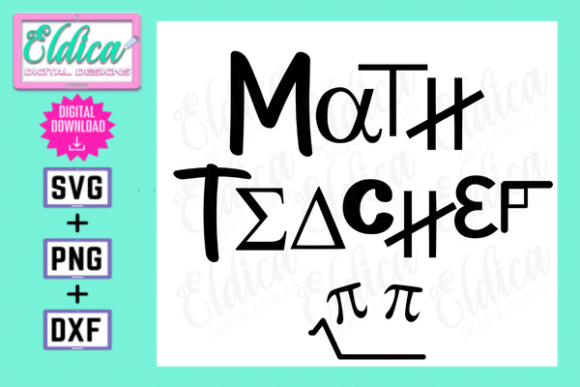
Reviewing the Math Teacher SVG for Embroidery Projects
As a designer who spends half my life digitizing and the other half stitching, I have learned that not every digital file translates well to thread. We often browse marketplaces looking for the perfect Math Teacher Svg, Math Svg bundle, drawn in by clean previews and catchy titles. But the real test happens when you load that file into your machine, hoop your fabric, and watch the needle drop. Today, I am evaluating this specific design asset from the perspective of practical application, focusing on how it performs in real-world embroidery scenarios rather than just how it looks on a screen.
First Impressions and Visual Personality
The immediate appeal of a Math Teacher Svg, Math Svg lies in its thematic clarity. For educators, math is not just a subject; it is a identity. A good design needs to balance playful elements—like numbers, geometric shapes, or calculator icons—with legible typography. When I first opened these files, I looked for clean lines and balanced spacing. In the world of Crafts and Graphics, simplicity often wins because complex details can get lost in translation to thread.
The mood here is professional yet approachable. It avoids the cluttered look that plagues many beginner designs. For an embroidery project, this is crucial. If the elements are too close together, the stitches will merge, creating a dense blob rather than distinct symbols. This design appears to respect the negative space, which is essential for maintaining visual clarity once stitched out on textured fabrics like towel or fleece.
Real-World Application: The Custom Tote Bag Test
To truly evaluate a design, you must imagine it on a product. I recently worked on a custom order for a local high school math department head who wanted personalized gifts for her team. We chose heavy canvas tote bags, a popular item for teachers carrying graded papers and laptops. Using the Math Teacher Svg, Math Svg as the central motif, we aimed for a look that was sturdy and professional.
Canvas is a forgiving fabric, but it has a distinct weave. When using a machine embroidery design on canvas, stitch density becomes a primary concern. If the design is too dense, the fabric puckers. If it is too light, the background shows through. I found that this particular graphic handled the medium-weight canvas well. The lines were thick enough to hold their shape without requiring excessive underlay stitches that might stiffen the bag unnecessarily. The result was a crisp, readable design that elevated the perceived value of the handmade product.
Versatility Across Apparel and Home Goods
Beyond tote bags, this type of graphic shines in custom apparel. Imagine a cozy crewneck sweatshirt for a tutor or a professor. The sweatshirt embroidery market is huge, especially during the back-to-school season. Because the design relies on strong shapes rather than tiny, intricate details, it scales well. You can shrink it for a left-chest logo on a polo shirt or enlarge it for a full-back statement piece on a hoodie.
It also works beautifully for baby embroidery projects. A onesie with a cute "Future Mathematician" theme using simplified elements from the svg set makes for an adorable personalized gift. However, when working with baby clothes, you must be mindful of the backing. Always use a soft, cut-away stabilizer to ensure comfort against sensitive skin, and avoid satin stitches that might feel scratchy.
Technical Considerations for Stitching Success
While the visual appeal is strong, technical execution determines whether the final product looks amateur or professional. Here are my notes for anyone planning to use this digital embroidery file.
- Fabric Texture and Contrast: On dark fabrics, ensure your thread colors have high contrast. A white or bright yellow thread pops against navy or black, making the math symbols instantly recognizable. On light fabrics, consider using a darker thread or adding a slight shadow effect if your digitizing software allows, though this may require manual adjustment of the svg.
- Stitch Types: Most svgs are converted into running stitches or satin stitches depending on the width of the line. For the thicker elements of the Math Teacher Svg, Math Svg, a satin stitch provides a nice sheen and coverage. For thinner lines, such as the equals sign or division bar, a triple run or a narrow satin stitch prevents the thread from sinking into the fabric.
- Hoop Size Constraints: Before starting, confirm your hoop size. While the svg is scalable, stretching a small design too large can cause pixelation in the source file, leading to jagged edges in the embroidery path. Keep the proportions natural to maintain the integrity of the shapes.
- Stabilizer Selection: For stretchy fabrics like t-shirts, a tear-away stabilizer might not be enough. Use a cut-away stabilizer to prevent the design from distorting after washing. This is critical for commercial embroidery where durability is key.
Navigating Potential Pitfalls
No design is without its challenges. When using this Math Teacher Svg, Math Svg, be cautious with very small hoop sizes, such as 4x4 inches. If you shrink the design too much, the tiny details—like the dots on a division symbol or the crossbars of a plus sign—may become indistinguishable. In these cases, it is better to simplify the design or choose a larger hoop to allow the elements to breathe.
Additionally, curved surfaces like caps present a unique challenge. The curvature of a cap can distort straight lines. If you are creating an embroidered patch for a hat, consider digitizing the design with a slight arch or testing it on a curved hooping frame. Always test on scrap fabric first. This simple step saves hours of frustration and wasted thread.
Commercial Viability and Brand Consistency
For Etsy sellers and small shop owners, consistency is brand currency. Using a cohesive set of graphics like this Math Teacher Svg, Math Svg helps build a recognizable aesthetic. Whether you are selling holiday embroidery items for Pi Day or everyday teacher appreciation gifts, the quality of the stitch-out reflects directly on your brand.
Customers trust clean, well-executed designs. A sloppy stitch-out with pulled threads or misaligned elements can damage your reputation. By taking the time to adjust stitch density and choose the right thread colors, you transform a simple digital download into a premium finished product. This attention to detail encourages repeat business and positive reviews, which are vital for any craft business.
Final Thoughts for the Modern Maker
In conclusion, the Math Teacher Svg, Math Svg is a versatile asset for any designer’s library. It bridges the gap between digital convenience and tactile craftsmanship. Whether you are creating a tote bag design for a school fundraiser or a unique printable mockup for your online store, this graphic holds up under scrutiny. Remember to respect the limitations of your machine and fabric, and always prioritize stitch quality over speed. With careful planning and a keen eye for detail, this design can become a staple in your portfolio of design assets, helping you create memorable, high-quality items that resonate with your audience.