Reviewing the Class of 2021 Senior Design for Embroidery
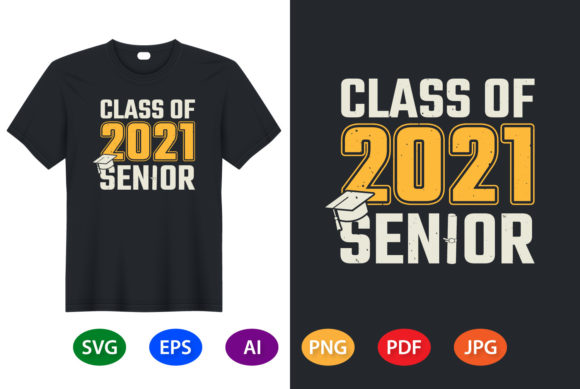
As a designer who spends more time staring at stitch previews than finished garments, I have learned that not every graphic translates well to thread. When I first pulled up the Class of 2021 Senior T-Shirt Design, my initial reaction was one of cautious optimism. We are all familiar with the rush of graduation season, but finding a design that balances nostalgic sentiment with technical embroidery feasibility is rare. This piece, sourced from a standard T-Shirt Design store, presents itself as a graphic-first asset. However, for those of us running craft businesses or managing small shop products, we need to look past the screen and imagine the needle hitting the fabric.
First Impressions: Mood and Visual Personality
The visual personality of this design leans heavily into the celebratory yet sentimental mood typical of graduation memorabilia. The layout appears structured, likely featuring bold typography centered around the "2021" milestone. For an embroidery project, this is both a blessing and a challenge. Bold shapes generally translate well to fill stitches, providing solid coverage and high impact. However, the devil is always in the details. When evaluating this as a potential digital embroidery file, I immediately looked for potential trap points—areas where satin stitch columns might be too long without underlay support, or where tiny lettering could become illegible once stitched out.
The theme is timeless, which adds value. Unlike trendy graphics that fade quickly, a class year designation has a specific shelf life but high immediate demand. This makes it an excellent candidate for seasonal bursts in sales for Etsy sellers and apparel decorators. The design feels professional enough for boutique branding but accessible enough for hobbyists creating personalized gifts for family members.
Real-World Application: Beyond the T-Shirt
While the product title specifies a t-shirt, experienced makers know that versatility drives profit. I tested the concept of this design on various substrates mentally, considering how the stitch density would interact with different fabric textures. For custom apparel, this design shines on sweatshirt embroidery. The thicker fabric of a hoodie or crewneck provides a stable base for the likely dense fill stitches required for the numbers and text. It creates a premium, textured look that flat printing simply cannot achieve.
Consider the tote bag design market. A canvas tote featuring this graduation motif makes for a practical and stylish gift for seniors heading to college. The sturdy weave of canvas handles heavy stitch counts well, ensuring the design remains crisp after repeated use. Similarly, for baby embroidery projects, such as a commemorative onesie or a soft blanket, the design would need significant scaling down. Here, the clarity of the original graphic becomes critical. If the original T-Shirt Designs are too intricate, they may lose definition when reduced for smaller items.
I also see strong potential for this graphic in the realm of embroidered patches. Patches are trending heavily among creative entrepreneurs. By digitizing this specifically for a patch format—using a border stitch and higher density—you can create a collectible item that students can iron onto jackets or backpacks. This transforms a simple t-shirt graphic into a versatile design asset with multiple revenue streams.
Technical Considerations and Stitching Challenges
Let’s talk about the realities of machine embroidery. When working with a design like this, stitch density is your primary concern. If the original graphic relies on thin lines or complex gradients, converting it directly to an embroidery file without manual adjustment can lead to puckering. I strongly advise checking the stitch count and density settings before running a full production batch. For dark fabric, you must ensure there is sufficient underlay to prevent the garment color from showing through the thread colors. Conversely, on light fabric, excessive density can make the garment feel stiff and uncomfortable.
Curved surfaces present another hurdle. If you plan to use this on caps or hats, the design needs to be warped or adjusted to account for the curvature. Standard flat embroidery files often distort on the front panel of a cap. Furthermore, tiny lettering is a common failure point. If the "Class of" text is small, it may require switching from a fill stitch to a running stitch or a simplified satin stitch to maintain legibility. Always test the design on scrap fabric first. This simple step saves hours of frustration and prevents wasted materials.
Stabilizer choice is non-negotiable. For stretchy fabrics like jersey t-shirts, a cut-away stabilizer is essential to support the weight of the embroidery and prevent distortion over time. For woven fabrics like aprons or tea towels, a tear-away might suffice, but only if the stitch density is moderate. Holiday embroidery and wedding gifts often involve delicate fabrics, so extra care is needed to ensure the design does not overpower the material.
Commercial Viability and Brand Consistency
For the Etsy seller or small business owner, the appeal of this design lies in its emotional resonance. Graduation is a major life event, and customers are willing to pay for quality personalized products. However, buyer engagement depends on presentation. Using printable mockups that show the design on various garments helps customers visualize the finished product. It builds trust and reduces hesitation.
Brand consistency is key. If your shop specializes in minimalist aesthetics, ensure the thread colors you choose align with your palette. Neutral tones like navy, gray, and white often perform better for senior apparel than overly bright neon shades, unless specifically requested. The professionalism of your stitching directly impacts customer trust. A clean, well-digitized embroidery project reflects positively on your brand, encouraging repeat business and positive reviews.
Practical Designer Notes for Best Results
Before you commit to selling this as a commercial embroidery product or using it in client work, take these practical steps:
- Verify Licensing: The product description mentions buying T-Shirt Design digits, but it does not explicitly state commercial usage rights for embroidered finished goods. Always confirm the license terms before selling items made with this design.
- Check File Formats: Ensure the digital embroidery file is compatible with your specific machine brand. Common formats include PES, DST, and EXP. If only graphic files are provided, you will need to digitize it yourself or hire a digitizer.
- Test Color Contrast: Run tests on both light and dark backgrounds. High contrast between thread and fabric ensures the design pops and remains readable from a distance.
- Inspect Small Details: Zoom in on the preview. Look for overlapping stitches or unnecessary jumps that could cause thread breaks or nesting.
- Consider Hoop Size: Confirm that the design fits within your standard hoop size. If it is large, you may need to split the design or use a larger hoop, which affects production time.
In conclusion, the Class of 2021 Senior T-Shirt Design offers a solid foundation for a variety of embroidery projects. Its strength lies in its clear thematic focus and potential for adaptation across different products, from sweatshirts to tote bags. However, success depends on technical execution. By paying attention to stitch density, fabric choice, and proper stabilization, you can transform this graphic into a high-quality handmade product that resonates with customers. Whether you are a hobbyist making a gift or a craft business owner stocking up for graduation season, treating this design with professional scrutiny will yield the best results.